
Horseshoe Bend, Page, United States. Adventure and travel are often central to many early retirees’ plans, but it doesn’t have to be. There are as many post-FIRE lifestyle designs as there are people. Photo by Drif Riadh on Unsplash.
Reading time: 9 minutes
Author’s note: Having recently stepped away from my conventional job, I’m now actively applying many of the ideas I explore in today’s article—like intentional living, identity shifts, and post-FI purpose—to redesign my own day-to-day life.
Quick answer — What do people actually do after early retirement?
The most fulfilling post-FIRE lives are built around the PERMA framework—Positive Emotions, Engagement, Relationships, Meaning, and Accomplishment. None of these require a job title. The key shift is moving from structure imposed by work to structure you design yourself—around hobbies, family, creative projects, community, and physical pursuits. The challenge isn't filling the time; it's being intentional about what you fill it with.
What you'll get in this article
✔ Why work fills a deeper role than just income—and what replaces it
✔ The PERMA framework for building a fulfilling post-FIRE life
✔ A real FIRE bucket list—what one early retiree actually plans to do
✔ How to start designing this life before you reach full FI
✔ The identity and purpose challenges most FIRE guides ignore
TL;DR — Life After Early Retirement 🌅
🤔 The hardest question isn't "can I afford to retire?", but "what will I actually do all day?"
🧠 Work fills more than income, providing structure, identity, and community that need replacing
🌱 The PERMA framework (Positive Emotions, Engagement, Relationships, Meaning, Accomplishment) gives you a practical blueprint—none of it requires a job title
📋 A real FIRE bucket list: sailing, guitar, restoring a cottage, gardening, slow travel, community involvement
⏳ You don't need to wait for full FI—most of this can start now, one piece at a time
🎯 The goal isn't to escape work, but to design a life so good you no longer need to
What Will You Actually Do All Day? Building a Fulfilling Life After Early Retirement
Reaching Financial Independence answers one question—can I afford to stop working?—but immediately raises a harder one: what will I actually do with my days?
Many people dream of retiring from an unfulfilling 9-to-5 job—but what would that life actually look like, day to day? What would fill the time and energy? The most frequent pushback I hear from folks against FIRE plans (Financially Independent, Retire Early) is that early retirees would be bored—what would they actually do all day if they didn’t have their job to structure their day?
To some extent, I understand where the reservation comes from. For some, following the same life path for decades can make it hard to even entertain a new idea that could question their current life trajectory or turn it completely on its head. Retirement, especially early retirement, isn’t just a financial challenge—for many it’s also an identity and a philosophical one.
Pursuing FIRE often raises deeper questions about purpose and agency, rather than being an “escape” from life—it can bring to the surface timeless questions about what gives life meaning, a question that has never had a single, fixed answer but shifts across cultures, eras, and technologies.
In this post, I’ll show you how to build a life after work that is not just financially independent—but deeply meaningful, engaging, and joyful. We’ll explore why modern work often lacks purpose and fulfillment, how to design structure in our days without a job, or why purpose doesn’t have to end when your career does. I will also share what a real-life early retirement “bucket list” of experiences could look like.
If you’re worried about boredom, identity loss, or simply lack of direction after reaching Financial Independence, this post is for you.
Many early retirees turn their attention to creative pursuits—perhaps they take their art studio or musical instrument to the next level. Photo by Lizgrin F on Unsplash.
Escaping the Default Script: Why We Work Without Question
A lot of us start out our working careers with enthusiasm and hope—seeking financial stability, personal growth, and purpose. This was at least the case for me. From a young age, my parents instilled in me the idea that working in a prestigious profession was the way to go about life. Find a reputable company, become a qualified professional employee, and you’ll be all set.
They didn’t do this in a forced way—or even as part of a conscious decision. But it did happen with small nudges and by example—after all, this was the very path followed by my father. The indirect assumption, I guessed, was that this was the main path to life satisfaction.
So off into the world we go, chasing—knowingly or unknowingly—status through hard work, promotions, and cool-sounding titles. For many, that means working very long hours, staying up late, and essentially aligning their personal lives around their company’s quarterly targets, not around their values, life goals, or lifestyle preferences.
Over time, we forget the reason we started working in the first place and are now trapped in a hamster wheel—playing the money or the status game with no end in sight.
Work starts to feel like life’s default setting. Instead of asking whether our chosen career or work-life balance aligns with our values or whether it leads to fulfillment, we treat the job—and its control over our lives—as something inevitable.
We don’t even stop to question whether there is time to explore other passions or interests. Sadly, over time we’ve even forgotten about them—we are simply too busy and there’s not enough time.
Society clearly encourages this behaviour. We’re bombarded daily with messages to consume more than is good for us, which further heightens our dependence on our jobs. Everyone around us generally agrees that being busy and climbing ladders is good for us—even if they eventually lead to mental health issues or job positions we feel miserable in.
So when someone expresses their desire to retire early, a common reply—“But what will you do all day?”—reveals just how deeply work has filled in for structure, purpose, and identity in their lives.
The assumption is that if we’re not grinding away—in the majority of cases, for someone else’s goals—we’ll be aimless. But that simply isn’t true.
Most people—myself included—genuinely need structure, and that’s fine. But let’s not confuse structure for needing to grind in unfulfilling 9-to-5 jobs to contribute to our bosses’ goals. It’s certainly possible to build a day around your own goals, values, and aspirations. It’s perfectly possible for your calendar to reflect your vision—not your manager’s. Pursuing Financial Independence (and early retirement) is one way to reclaim authorship over our time.

Please log in to follow someone else’s dreams. According to Gallup, the majority of our global workforce doesn’t find meaning or engagement in their job. Photo by Hemant Kanojiya on Unsplash.
When Work Tries to Replace What Culture Used to Provide
A couple of generations ago,people found meaning through a combination of some form of spiritual belief or religion, local community, and cultural traditions. These formed the scaffolding of their identity and sense of belonging. Their job and what they did for a living didn’t used to be so central in everyday conversations—this is no longer the case in the West and particularly in the US.
Today, many of those structures and sources of meaning have weakened for different reasons, and, as a result, our jobs have ‘unknowingly’ taken over some of the functions many of these used to provide.
We now look at our jobs and careers not just as a source of income, but as a reflection of our social status, identity, and even community. In this relatively new model, your title becomes your identity, your coworkers become your “friends” and an important part of your social circle, and your employer defines your mission for you.
This is a lot to expect from any job—even for good employers working for meaningful causes. But the reality is that, for the majority of people, it’s nearly impossible for jobs to deliver on these high expectations.
It’s no wonder that leaving work—or being laid off—can feel like an existential crisis. If work was where you feel most needed, known, or validated, then walking away from it can be like stepping over a cliff. It's a theme we explore in depth in our complete guide to work, purpose, and Financial Independence.
Believe me—I’ve recently gone through this. I recently stepped away from my job and career to pursue other work more aligned with my preferred lifestyle. While I still think it was the right move, there are many unexpected questions and feelings I’ve had to deal with.
Here’s the challenge: work often fills gaps we haven’t consciously invested the time, energy, and thought into what other sources of fulfillment could look like in our lives. Financial Independence, early retirement, or simply part-time work gives you the space needed to rediscover what those may be—perhaps some combination of relationships, hobbies, nature, community, creativity, service to others, adventure, travel, learning, spirituality, or philosophy. There is so much more to life than just employment.
Many of these sources of fulfillment are more enduring and self-directed than our jobs. We just need to give them space to grow again.Think about it—if you’re only one lay-off away from an existential crisis or from losing your sense of identity, meaning, or self-worth—how good really was your career to deliver on fulfillment to begin with?

Young man sitting in nature contemplating his life trajectory. Photo by Elijah Hiett on Unsplash.
The Trap of Consumption and the Freedom of Frugality
So why do we keep going along with it? In many cases, I think it’s mostly because we’ve locked ourselves into the job-consume-repeat cycle. We earn money in mostly unfulfilling environments, spend it to feel better, and need to rely on the job even more. Work not only becomes our identity—it also, ironically, becomes the very thing we rely on to cope with the toll it takes.
This is where frugality can become a superpowerto break this cycle. By spending more intentionally and living below our means, we start to free ourselves one step at a time. You not only begin to see how much of your consumption is compensating for stress, boredom, or burnout, you also discover that peace and joy often arise from things that cost very little or are free.
Frugality doesn’t just bring clarity—it also brings financial freedom. Each dollar we don’t spend today is one we can invest towards Financial Independence. Increasing the gap between what you earn and what you spend is what fuels your savings rate—the most powerful lever behind financial independence. It’s not about deprivation, but about building options and buying freedom little by little.
Embracing frugality allows us to slow down and question whether we’re living in alignment with our values and preferred lifestyle—or just running on autopilot in a system that is likely serving others’ dreams. The fewer “unnecessary expenses” you have—in the sense that they don’t really bring value or joy to you—the more optional your job becomes over time, and the more room you have to design a Financial Independence plan that’s not only resilient but antifragile.
If this vision is motivating but you’re unsure how the numbers add up, here’s a simple breakdown of exactly how much you’d need to save to retire by 45.
If someone out there has truly found purpose, freedom, and a deep sense of satisfaction in a modern 9-to-5 workplace, without having to give up too strongly on other important cornerstones of live—again, relationships, hobbies, nature, community, creativity, service to others, adventure, travel, learning, spirituality, philosophy—please reach out in the comments, I’d love to learn from your story.
Personally, after more than a decade in ‘do-good’ industries, traditional forms of employment simply haven’t delivered the fulfillment I was looking for. I find it risky to assume the next job will magically change that—so instead of leaving it up to luck, I’ve chosen to take control.
Pursuing Financial Independence alongside raising a young family has given me the chance to stop waiting and start actively redesigning my lifestyle now.

I envision spending more time by the sea in early retirement—including sailing and surfing. Photo by Sherise Van Dyk on Unsplash.
The PERMA Framework: A Blueprint for a Good Life
Many people fear early retirement because they ask themselves whether they’ll still have meaning once they step away from their career. But the reality is that most people don’t feel fully alive at work either.
More likely, some people fearing early retirement ultimately fear loosing their daily structure or the relationships they developed in the context of their job. But if these relationships are conditional to staying in the workplace—how strong are they really?
Meaning and fulfillment isn’t something handed to us by our employer, but something we need to build for ourselves.
Psychologist Martin Seligman’s PERMA model provides a framework for life fulfillment. PERMA stands for Positive Emotions, Engagement, Relationships, Meaning, and Accomplishment. These are five elements that contribute to human well-being and flourishing. As we’ll see, none of them require a job title.
Rather than being a step-by-step guide, you can think of PERMA as a checklist. If you're wondering where meaning will come from after leaving work, you can use PERMA to reflect on how each of these areas is currently supported in your life—and which ones might need more attention when you step away from your career.
Importantly, it also reminds us that ‘meaning’ is just one component of a flourishing life—not the only one. Even if you’re unsure where meaning will come from (or whether it actually exists in the first place), you can still start building a rich, balanced life by leaning into the other four elements. Who knows? Perhaps you find meaning by successfully targeting the other four…
There are countless ways to experience Positive Emotions through simple life pleasures, for example a walk in nature, sharing a meal with your friends, or playing and laughing with your kids.
Engagement comes from reaching states of flow. What activities make you so immersed that you lose track of time? Many hobbies provide this—think, gardening, learning an instrument, or surfing.
Relationships are allowed to grow or be nurtured when we have time to be present with the people we love, especially when we’re not feeling exhausted.
Meaning and accomplishment? That’s where personal goals come in—examples could be volunteering, being more active in your community, or taking on more civic responsibility. But you can also find it from building something, helping or mentoring others, or in writing. Some can even find it in certain hobbies. Whatever matters deeply to you is valid.
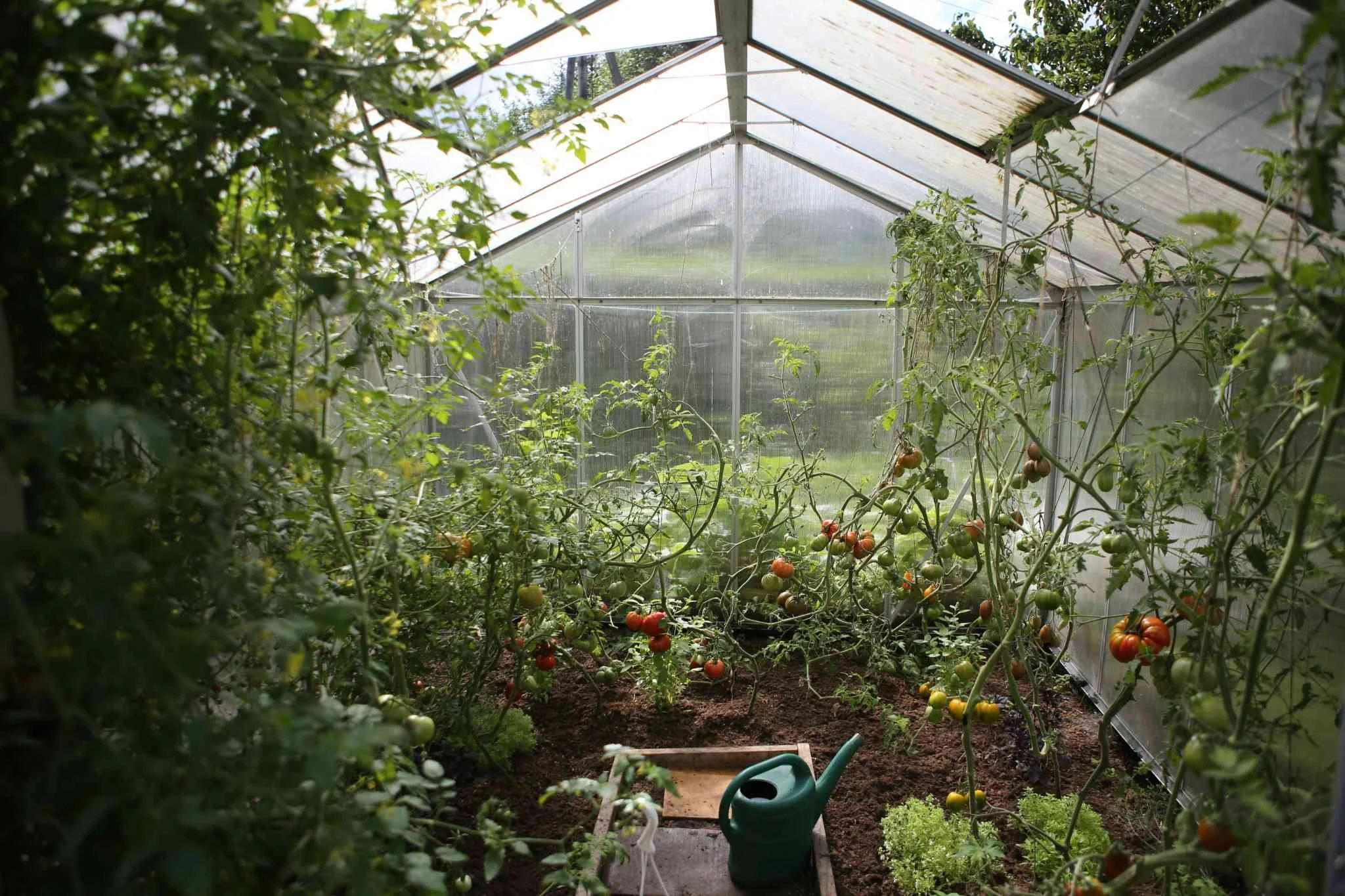
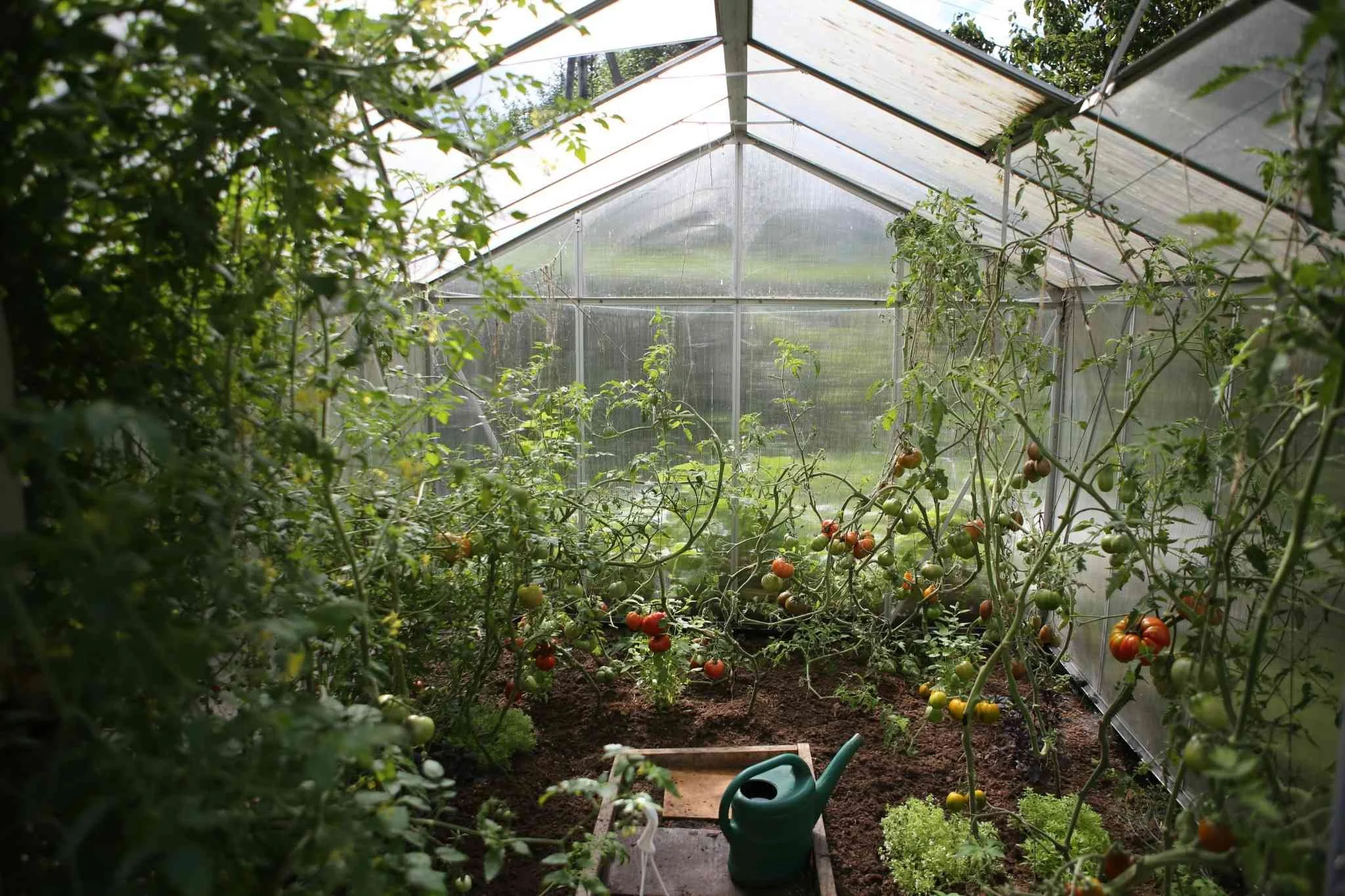
In early retirement, I plan to continue growing food. Photo by www.zanda photography on Unsplash.
As observed, the PERMA framework applies always—whether you’re working or not. You might realize your job is actually providing you with relationships and engagement, but score very poorly across the other acronyms. With more autonomy in early retirement, you can intentionally double down on what was missing—while also designing your life to preserve the benefits your job once offered.
What does applying PERMA in my own life look like—both in my previous employment and how I envision early retirement? Looking back, most elements of PERMA weren’t well supported in my previous work—at least not in a lasting, impactful way.
Positive emotions were scarce—I consistently felt more negative emotions like chronic stress and eventual burnout. I did experience Engagement—especially in the more technical aspects of my job, where I could actually get into a flow state. Unfortunately, that was often interrupted by meetings, project management, and other non-technical work that drained me rather than energized me.
Relationships? I certainly had great colleagues, but few real friendships that extended beyond the workplace. Meaning was complicated—even though I worked in a public interest field, I found myself questioning how much of our work had true impact versus how much served just the optics or the next funding cycle.
While I did feel a sense of Accomplishment when I finished big reports or projects, that too often got buried under the weight of KPIs and performance reviews—more aligned with protecting the company’s HR budget than with employee growth.
Although there will be things to work on, in early retirement, I’d envision a very different picture. I’d expect Positive Emotions to come more easily through presence with my kids, a healthy routine, and slower days. Engagement will likely thrive—my bucket list is long and I have many interests I can’t wait to dive into—see more in sections below.
I expect to invest more deeply into my Relationships, with the time and energy to nurture friendships and visit friends and family more intentionally. Meaning would hopefully arise from living in line with my values and from helping others. This could continue to come from my The Good Life Journey, but also from being more active in my community.
And Accomplishment? That will come from hobbies, learning new skills, travel, personal growth, and perhaps even helping others take control of their personal finances and transition to a more intentional life.
So how does this framework translate into real life? What would it look like to build a week—or a year—around the principles of PERMA? Below, I’ve outlined my own working “FIRE bucket list” based on how I want to spend my time once I step away from full-time work.

In early retirement, I plan to spend more time surfing and generally by the sea. Photo by Sacha Verheij on Unsplash.
What I Actually Want to Do All Day: My FIRE Bucket List
Analogous to the implementation of the PERMA model, I’m aware that the following bucket list can and should already be tackled now—we don’t need to wait for an uncertain future or for full Financial Independence.
But the breadth and scope of this list does literally mean there currently isn’t enough time in the day for them all. Also, some activities lend themselves better to when our kids are older, and others when they’ve left the nest.
So, how do I plan to actually keep busy in early retirement? Here’s my working bucket list—and first attempt to include them within the acronyms of the PERMA framework. Some fit nicely, others look more awkward, but here it is in any case.
As you’ll see some are big goals or one-time plans, while others are simple daily joys. It’s also a reflection of what I value now—I’m aware this list may change over time.
P – Positive Emotions (Activities that create joy, gratitude, serenity, awe, or contentment):
Sailing, surfing, and spending part of the year by the sea. I’ve always felt most at ease when I’m by the water—mostly near the sea. Although I currently live in an area with beautiful rivers and lakes and have taken on water sports like sailing, I envision spending more time by the sea in early retirement.
This could take the form of slow travel with our family for a couple of months per year instead of the one-week trip format. For me, being connected with nature and water triggers a sense of peace and joy. I’m already familiar with the best surfing spots—e.g., southwest France, Portugal, Northern Spain, or Morocco, but I’m still a beginner with sailing, so quite a bit of research to do there.
Attending some sporting events I’ve always dreamed about as a kid—especially attending Roland Garros and Wimbledon. I grew up playing a lot of tennis and would get tremendous joy from being able to regularly visit some of these events on a regular basis. I’m planning to attend a smaller local event with my kids next spring.
Spending more time in nature. I’d be interested in long hikes, camping with kids, and visiting National parks when we travel. Over time, I’ve come to realize that, for the most part, traveling abroad for me is more about being outdoors. Although I do appreciate visiting small, picturesque, and livable towns, I’m less interested in visiting huge metropolises and the attractions they offer.
Reading is also a really important one for me. In addition to the continuous learning aspect, reading also brings a sense of calmness and quiet pleasure into our lives. Of course, this is something I already do—including reviewing books relevant to The Good Life Journey—but one could always have more time for this. Whether it’s fiction, philosophy, biographies, or something else, books can change us and how we think—so I want to give them the time they deserve.

Visiting major tennis tournaments on a regular basis would be fantastic. Photo by Shep McAllister on Unsplash.
E – Engagement(Activities that immerse you in ‘flow’ states)
Playing the guitar. Learning an instrument is a classic flow activity. I’ve played around with the guitar in the past—a year here, a few months there—but never developed true expertize. With the chaos of a young family, the guitar practice has lost its place in my daily routine. This is an area I could always find joy from improving on—including joining local classes.
Writing will continue to be important in early retirement. This is obviously something I already do a lot of now. Over time, I’ve realized I get a lot of joy from researching and writing. In this blog, each post targets a key question I want to find an answer for. So, there is research, problem-solving, and creativity involved—all great for engagement.
Restoring a small house. My wife’s family owns a tiny cottage in Southern France. Despite the enchanting countryside, the place is fairly run down, with parts even in ruins. This would be a really good project to take on as a team with her—with lots of learning (and accomplishment feeling) opportunities.
Gardening and food growing projects. While this overlaps with Meaning and Positive Emotions too, I’m particularly drawn to the flow state that comes from planting, tending, and watching things grow. We have a little garden allotment nearby, which has provided our family with an incredible amount of joy in the past year.
It’s not only about seeing the kids grow up outside—which is great—but the many benefits besides the healthy produce itself. We find ourselves more connected to nature and to the different seasons, we feel more resilient and ‘less dependent’, and of course, it’s a continuous source of learning.

Restoring my wife’s family cottage will provide a lot of engagement, meaning, and accomplishment. Photo by Clay Banks on Unsplash.
R – Relationships(Building strong, meaningful social connections)
Spending more time with family. A significant part of our family lives abroad, which means staying closely connected requires more time than it would otherwise—it’s harder to rely on short visits. Another nice motivation for reaching Financial Independence quickly is you can dedicate more time to care for your aging parents. In the next 5–10 years, we want to be ready—emotionally, physically, and financially—to support them in any way we can.
Organizing trips with friends. When I was younger, I often played the trip organizer role—I would find the location, liaise with the accommodation, and make it happen. As we’ve grown older and families and other responsibilities emerged, I noticed how easy it is to drift apart. With the time and headspace, I want to lean back into that organizing role to bring people I care about together.
Becoming more involved in the local community. While I haven’t figured out what this looks like in practice yet, I’ve always appreciated people who show up for their communities. This could potentially take different forms—from volunteering for local initiatives to contributing to ongoing political discussions—perhaps by joining a local political party.
M – Meaning(Doing things aligned with values, purpose, or a sense of something bigger)
Parenting with intention. Raising kids and being able to be present, patient, and involved feels like one of the most meaningful things I can do today. Any project I undertake will likely pale in comparison with the generational impact one can have when parenting in the right way. I hope to mentor open-minded, kind, and creative individuals that have all the tools they need to thrive out there.
Growing this site’s community. Beyond the physical world, I’m excited about our growing community at The Good Life Journey. It’s rewarding to see our readership grow over the last year—people engaged with ideas on money, health, and purpose. I hope to continue exploring questions related to money, fulfillment, and health that add value and help others on their own personal journey.
As mentioned above, I expect the community involvement and garden allotment activity to also be central here. In our allotment, there are examples of gardeners in their 80s who show up religiously every single day to care for their lot. It’s clear it’s not just about food—it’s providing them with something deeper.
A – Accomplishment(Pursuing mastery, setting goals, and achieving them)
Some of the items listed above also fit in this accomplishments category—perfecting the musical instrument, restoring the French cottage, growing The Good Life Journey, or successfully participating in local initiatives. In fact, I feel like you can get a sense of accomplishment from nearly all of the bucket-list items.

Introducing my kids to skiing (and cross-country skiing) is also high in the bucket list. Photo by Mihály Köles on Unsplash.
Living Intentionally—Now and Later
This bucket list isn’t meant to be exhaustive. There are plenty of other ideas I haven’t detailed, but that are present—like upping my cooking skills, slow travelling abroad, annual ski trips, optimizing my fitness routine, painting, or even contributing to the restoration of local biodiversity (inspired by Isabella Tree’s Wilding). Like any good life plan, this list is a living document—not a rigid blueprint.
Also, as hinted earlier, this list isn’t only about things you’ll do someday in early retirement—but about imagining a life that feels aligned and fulfilling, and starting to implement some of these pieces today.
Many of the items on my bucket list—like staying connected with friends, supporting family, spending time in nature, or learning new skills—don’t require full Financial Independence. But they do require time, energy, and intention, which FIRE helps unlock more fully.
In fact, you don’t need to wait for FI to start living that way—you can begin redesigning life step by step, even if it means taking the path a little slower, as explored in “the middle path to FI”.
Others I already do—gardening, sailing, writing—but still wish to take to another level with more free time.
This isn’t a static checklist. I expect to change it over time as I also change. Some goals and desires may fade and others will emerge. The key, I think, is building a life that’s flexible enough to grow with you—and resilient enough to withstand challenges while remaining open to antifragile opportunities that make it even better.
💬 I’d love to hear from you in the comments—what would be on your list? What are you already doing today that brings you closer to your ideal post-FIRE life? If you haven’t yet, consider subscribing below to join the community.
If you enjoyed this article, here are some next steps:
👉 Want the complete framework for redesigning work and life around your values? See our complete guide to work, purpose, and Financial Independence
👉 New to Financial Independence? Start with our complete guide to FI and FIRE
👉 Use our free FI Calculator to see how far you are from making this life design possible
👉 Thinking about a trial run before full FI? Read about mini-retirements and intentional career breaks
👉 Subscribe to get free FI tools and the weekly newsletter (one-click unsubscribe anytime)
👉 Browse 130+ articles on FI, investing, work, and health at The Good Life Journey
🌿 Thanks for reading The Good Life Journey. I share weekly insights on money, purpose, and health, to help you build a life that compounds meaning over time.
Disclaimers: I am not a financial adviser, and the content in this website is for informational and educational purposes only. Please consult a qualified financial adviser for personalized advice tailored to your situation.
Check out other recent articles


























About the author:
Written by David, a former academic scientist with a PhD and over a decade of experience in data analysis, modeling, and market-based financial systems, including work related to carbon markets. I apply a research-driven, evidence-based approach to personal finance and FIRE, focusing on long-term investing, retirement planning, and financial decision-making under uncertainty.
This site documents my own journey toward financial independence, with related topics like work, health, and philosophy explored through a financial independence lens, as they influence saving, investing, and retirement planning decisions.
Frequently Asked Questions (FAQs)
-
Many people fear boredom after early retirement, but with intentional planning, your days can be filled with meaningful and engaging activities. This post uses the PERMA framework to show how you can design a life around Positive Emotions, Engagement, Relationships, Meaning, and Accomplishment. These aren’t just hobbies—they’re building blocks of wellbeing. Early retirement is about gaining the time to focus on what truly matters to you.
-
Employment often gives us structure and a sense of identity, but it's not the only way to achieve that. With Financial Independence, you can create your own structure rooted in your values, not your employer’s goals. This post shares practical ideas for building routine and purpose without the 9-to-5. You don’t lose meaning after leaving work—you create new forms of it.
-
The loss of identity is a common challenge after stepping away from a career. But it also opens the door to rediscovery—who are you outside of job titles? The post explores how roles like parent, community member, creator, or mentor can be just as fulfilling. By realigning with your values, you can rebuild identity on firmer, more personal ground.
-
That’s completely normal. Many people haven’t had the space or time to explore this deeply. The PERMA model in the post offers a helpful lens to reflect on different aspects of wellbeing—starting with simple activities that bring joy, flow, or connection. You can experiment and refine as you go. The goal is not perfection—it’s exploration.
-
Item descriptionAbsolutely. Many of the items on the FIRE bucket list—like gardening, connecting with friends, or writing—can be started now. You don’t need to wait for full FI to design a more fulfilling life. FIRE simply accelerates your ability to do these things with more time, energy, and freedom. This is about living with intention now, not just later.
-
It can be difficult, especially if others equate success with traditional work. One approach is to frame it around values: more presence with family, better health, time for service, or creativity. This post shows that retirement doesn’t mean doing nothing—it means redirecting your time toward what matters. Leading by example can often speak louder than convincing words.
-
They will—and that’s okay. The idea isn’t to set a rigid plan for life but to build a flexible framework that evolves with you. In fact, the post ends by acknowledging this: your “ideal” post-FIRE life is a living document. As long as your lifestyle aligns with your values, growth and change are signs you’re doing it right.
Join readers from more than 100 countries, subscribe below!
Didn't Find What You Were After? Try Searching Here For Other Topics Or Articles: