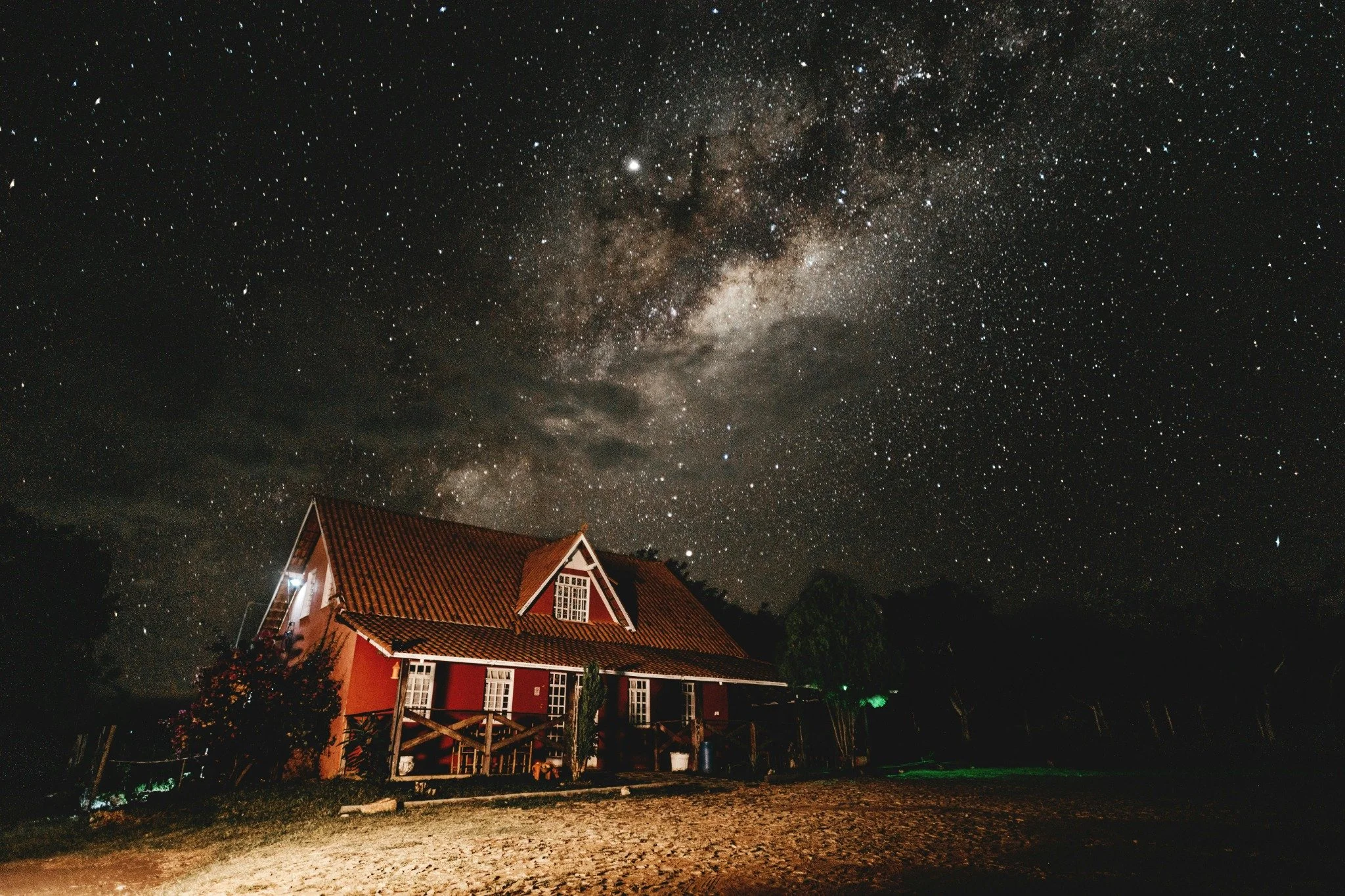
Photo by Jonathan Borba on Pexels. You can’t really appreciate the stars in the city.
Reading time: 7 minutes
Quick answer:
Buying your dream home can delay Financial Independence (FI) by several years—but it may also improve your daily life through more space, nature, and freedom. This article shows a real example where a countryside farmhouse would push FI back by about 4–5 years, and explores safer ways to test the dream before making it a permanent decision.
What you’ll get from this article
✔ A simple framework to weigh extra years of work against daily lifestyle gains from buying a house
✔ A real FIRE (Financial Independence, Retire Early) scenario — how a farmhouse shifts the FI timeline
✔ The hidden costs people forget (maintenance, taxes, car dependency, isolation)
✔ 3 safer alternatives: test first, wait until FI, or shift to part-time work as a bridge
TL;DR — Dream House vs Early Retirement 🏡⏳
🏡 Dream homes are emotional, not just financial. Feeling this pull is completely normal
📊 In our example, a countryside farmhouse could delay FI by ~4–5 years. Higher housing costs mean less investing
🌿 Lifestyle gains may still justify the delay. Space, nature, and slower living matter
🚲 City renting can already offer a rich, low-cost life. Walkability and community add value
⚖️ The real choice is freedom sooner vs lifestyle change now
🧭 You don’t have to decide yet. Waiting, testing rural life, or working part-time can keep your options open
💡 Housing choices shape time, risk, and daily life—not just net worth
Should You Delay Financial Independence for your Dream House?
Why Renting Often Makes Sense on the Path to FIRE
In a previous post, I explored the financial tradeoffs of renting vs buying a home in relation to pursuing early retirement. The results showed that in my urban setting—and probably in most major cities in Europe—renting can be significantly more cost-effective once you factor in different ownership costs such as maintenance, property taxes, or the opportunity cost of investing less in the stock market over time.
We saw that high property prices in big cities can often delay (or even derail) the path to Financial Independence (FI). My conclusion from that analysis was that continuing to rent was the financially sensible choice, even though housing FOMO and the emotional pull of homeownership remained strong.
However, despite acknowledging the cold math, I admit that I keep day-dreaming of owning a house and living in a larger space with land. In today’s post, I am laying bare some of these thoughts that keep creeping into my head. Should I entertain these thoughts and emotions or try to keep them at bay?
Given the high property prices in cities across most developed countries, I’m sure I’m not the only one struggling with this issue. Life passes by really fast and FOMO is very real. It’s also easy to underestimate how housing dreams can fuel lifestyle inflation, silently stretching FI timelines without us noticing.
Buying a home is rarely a purely financial decision—it’s deeply tied to lifestyle, identity, and the kind of daily life we imagine for ourselves. But pursuing Financial Independence is also a lifestyle choice, centered on freedom, flexibility, and time.
This post explores that tension: the pull toward space, nature, and a different way of living versus what best supports the path to FI. I’d love to hear how you think about this trade-off: What would you do in my situation, and what housing questions are you wrestling with in your own life?
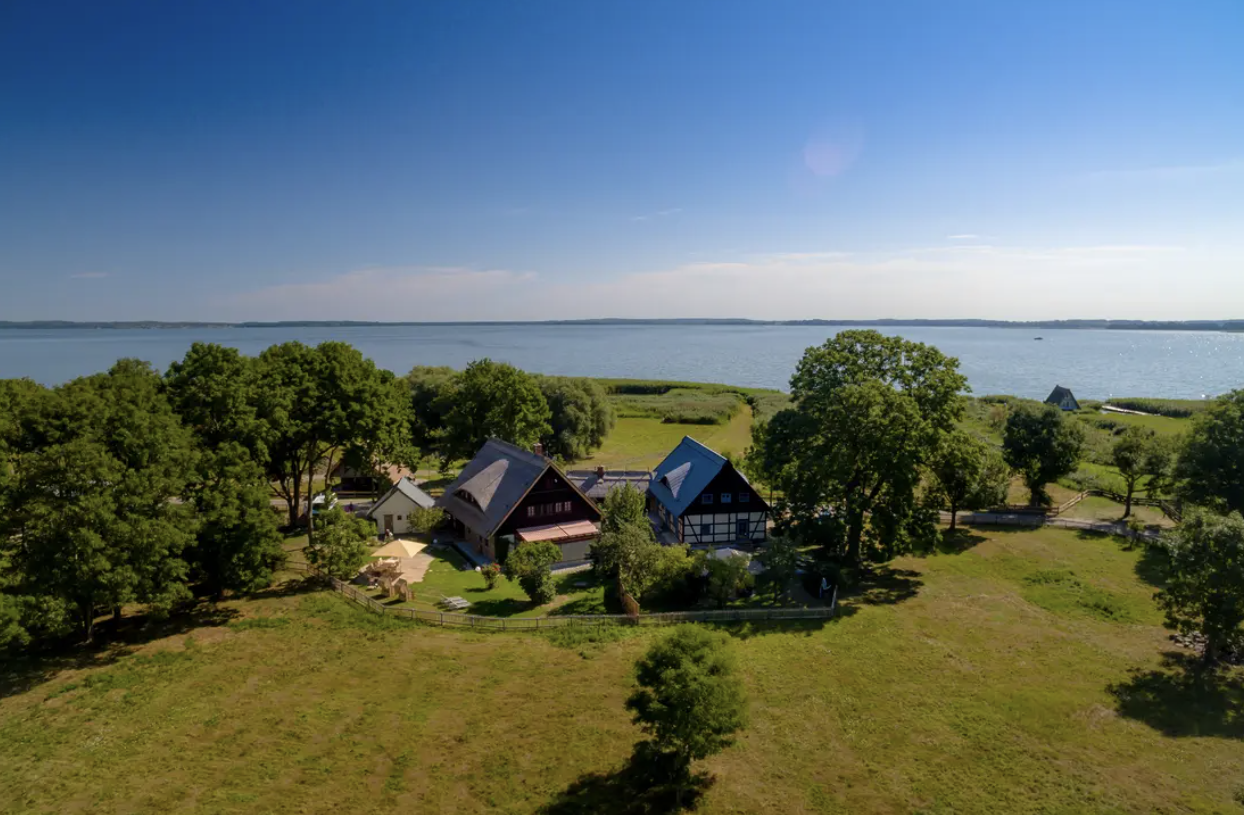
Dream farmhouse by the sea in Northern Germany. Source: ImmoScout24.
City Living and the 15-Minute Lifestyle: the good life already?
We currently rent a nice 4-room flat in a central area of a mid-sized city in Germany for about €2,000/month for a family of 5. We have come to really appreciate the 15-minute city lifestyle we currently enjoy: we have a very large park around the corner with plenty of space for walks, runs, and playing opportunities for the kids.
Within a 10 minute biking radius we can choose from several beautiful swimming spots—both in lakes or in our local river. We bike our kids to the kindergarten each morning, which is—you guessed it—also 10 minutes away. Shops, cafes, and culture opportunities are just around the corner from where we live.
We don’t own a car and don’t need it for the most part. But when we do, it’s easy to rent through car-sharing apps. We appreciate the healthy and active lifestyle that comes from using the bicycle as means of transportation, but also rely on good public transportation when needed (buses and trams within the city, and a fast connection to a larger city nearby).
We also have access to good health care, nature, all kinds of events, and community—all right at our doorstep. It is very rare for us to have a to bike for more than 15 minutes to reach any service or appointment. What I described should feel like the dream, right?
The Pull of Property: Farmhouse Daydreams in the north
Still, I find myself regularly checking housing apps. Just for fun, I tell myself. I have several notifications set—one for houses in our region (say, within a 50 km radius of where we live) and another one for larger farmhouses in up north, ideally by the sea.
I fantasize with owning a farmhouse in the North of Germany or Denmark by the sea with sufficient space and land to grow food and “live the good life”. Incredibly, you find really large, beautiful properties with land matching this description in the €500K-800K range, which is mind-boggling for people living in the city.
In my daydream, we live on this farmhouse, semi-retired or working part-time on passion projects. In this vision, we are mostly financially independent (e.g., Barista FIRE), but chose to work on some projects that bring in some modest income that helps supplement our portfolio returns.
These projects keep our minds engaged, while we benefit from the healthy and physical lifestyle of living in the country-side: growing our own food, gardening, and enjoying coastal life—including coastal walks, swimming, surfing, or sailing. Our kids grow-up constantly outdoors in the natural surroundings of nature and fall in love with the sea. Quite a rosy picture I am painting, right? Surely there must be some downsides here, too.
Photo by Mick Kirchman on Unsplash.
Crunching the Numbers: How a Farmhouse Affects Our FIRE Timeline
In a previous post, I estimated we are about 6-7 years away from FI. How would moving to the countryside impact our Financial Independence plan? Given that we are content with our current living situation, I think we’d only consider moving to a very nice property and location, which of course would fall in the higher price range I gave earlier.
Assuming we managed to save towards the 20% downpayment, after a back-of-the-envelope mortgage estimate and using our Financial Independence Calculator (free, email unlock), I estimate pursuing this farmhouse dream would, all else equal, likely postpone our FI timeline by about 4-5 years to 10-11 years.
Why does it push the date back? Well, not only would our monthly expenses go up with the mortgage in relation to what we pay for rent (and let’s not forget also about maintenance and property taxes), but also we would be able to save and invest less into our investment portfolio.
Surprisingly, this actually looks better than I had anticipated. Of course, how you view this tradeoff will depend on your situation. For instance, a few months ago, I was experiencing burnout in a stressful job; under these conditions, I would see this move as a terrible tradeoff. I wouldn’t want to work an extra 5 years in a high-stress environment.
Today, though, after recently quitting my job, I see things differently. Assuming I’m able to provide similar levels of income, working in a low-stress, passion-based job that still aligns with our FIRE goals doesn’t sound too bad. Under this scenario, we’d still reach FI quite early, in our late 40s, yet enjoy the farmhouse dream in the meantime.
Want to run your own version of this tradeoff?
👉 Use our FI calculator (free, email unlock) to estimate how many extra years of work would a given change in lifestyle cost you. Then decide if the lifestyle benefit is worth that price in time.
But numbers alone don’t tell the full story—so let’s take an honest look at the tradeoffs this lifestyle change would bring.
Farmhouse Fantasy or Financial Setback? Real Drawbacks to Consider
Moving to a rural setting has its appeal, but comes with a set of drawbacks, too. First, being physically more isolated could be challenging for our family. As an introvert, I think I’d personally survive just fine, but of course everyone needs social connections to thrive, and we’d have to make more conscientious decisions about how to make friends and keep an active social circle there.
For this social isolation component, I would worry more about the kids, although they’d still get plenty of interaction at school and hopefully with nearby neighbours.
Second, forget about the 15-minute bicycle lifestyle. This would likely convert quickly into a 45-minute car lifestyle, each way. We’d have to drive ourselves and the kids everywhere, and they would certainly be less independent than they would be in an urban setting. Here in Germany, it is not uncommon to see kids already driving their bikes next to their parents at age 4. I can only imagine how freeing it must be for kids and teenagers to live a 15-minute bicycle lifestyle in a nice city.
Third, we’d miss the rich cultural experiences and events urban life offers. Granted, at the moment, the kids are very young so I’m not sure we have many rich cultural experiences to report… But I imagine that, as they get older, being exposed to a wide range of cultural experiences would be very beneficial to them.
Honestly, these are the only main drawbacks I see. Above, we already considered a lot of the advantages. To those I might add that growing up in a rural setting with more exposure to nature may be more conducive to encourage real-world exploration for kids and reduce screen time—a huge concern for parents nowadays. I’m not totally sure on this one though—this problem may very well be irrelevant to location.
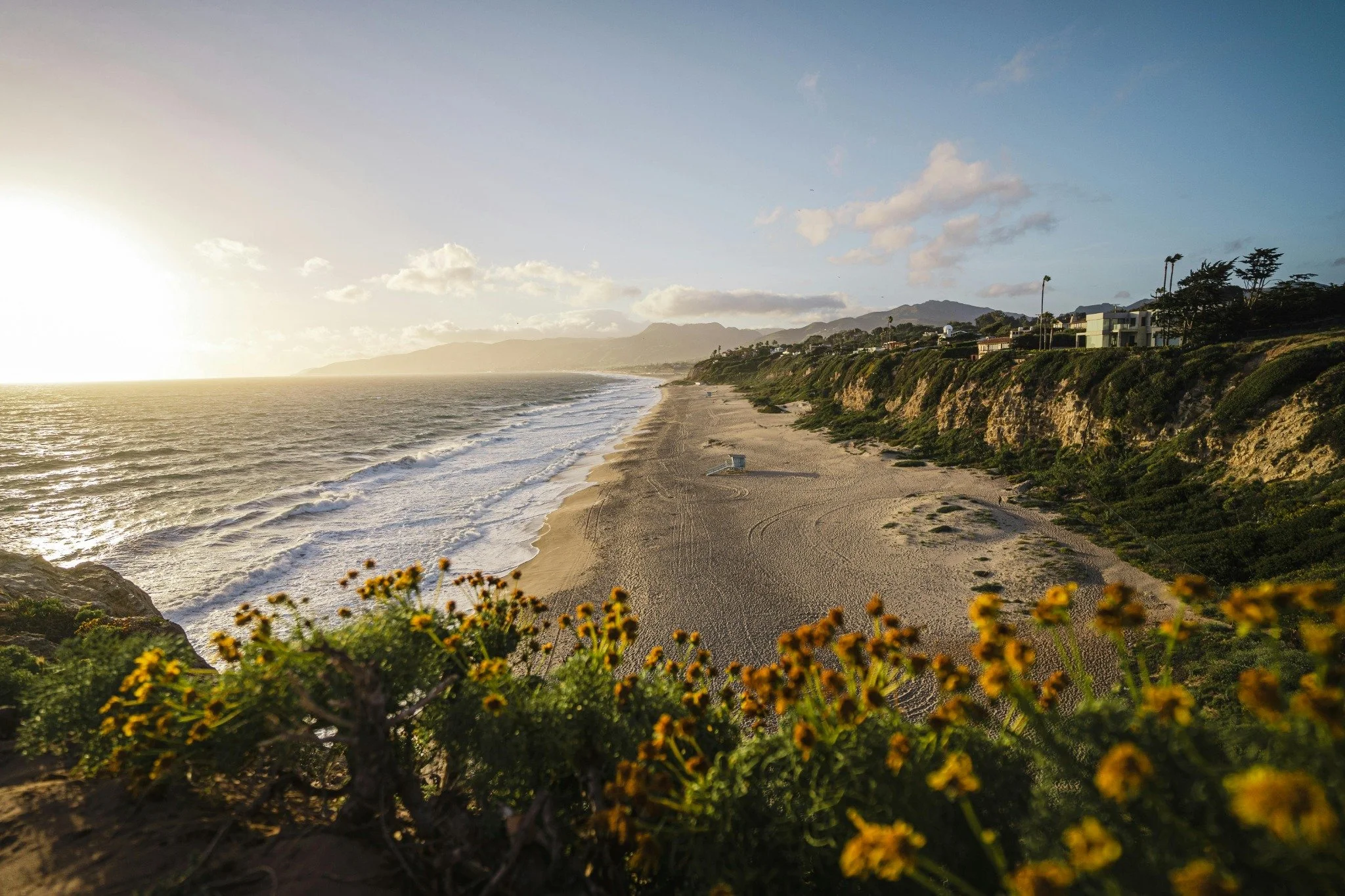
Photo by Clément Proust on Pexels.
Verdict: Should We Give Up the Farmhouse Dream?
It’s amazing how sometimes writing things down can help clear the mind. To recap, I was considering not only the sea-side farmhouse, but also a more classical suburban house within a 50 km radius. This simple exercise makes it clear for me, though, that buying this suburban-type property would likely not be for us. I would personally not be willing to trade the advantages of living in our current setup for an overly-expensive, average property in the suburbs.
I expected this exercise to convince me to drop the farmhouse dream altogether, but instead I think it has kept it somewhat alive. Assuming we are able to design within the next few years part-time sources of income that we enjoy, delaying full FIRE and working a part-time, lower-stress job instead while benefiting from a farmhouse setting by the sea is a lifestyle that looks quite appealing.
But there are also other options on the table I am open to. Given the uncertainty of this major move, another more conservative possibility would be to wait 6 years until reaching FIRE, and reassessing. From that point onwards, any additional income could very well go towards the mortgage and we’d still enjoy a semi-retired lifestyle. If we happened to change our minds after some time, we could reverse course and still remain FI.
Alternatively, we could pursue the farmhouse lifestyle after reaching full FIRE and once the kids are out of the house. Let’s face it, there are still (hopefully) four to five decades of life after the kids are gone to pursue this lifestyle!
Testing Rural Living: Garden Allotments and Holidays by the Sea
Given the scale of the decision, a smarter approach could be to test the waters. Last year, we took over a small garden allotment near our apartment. It’s part of the very popular German “garden clubs” or kleingartenverein. During the warm months of last year (June-September), we literally spent 3-5 afternoons a week there. This year will be the first year we grow from scratch our own fruit and veggies.
So far, it has been a very rewarding experience for all of us, including the kids. I think a good strategy could be to stick to this for now while enjoying the benefits of living in a mid-sized city. Over time, I think we’ll have a gut feeling of whether this city-garden concept could be the compromise that keeps both worlds alive, or whether it becomes clear that it represents a stepping stone towards realizing that we’d prefer a more rural lifestyle.
A second way to test the waters could be while on holidays. Why not rent rural locations by the sea on hour next holiday and see how rural coastal living feels with young kids? Of course, it can’t be the same experience, but could still be useful to inform our eventual decision, especially on the different location possibilities.
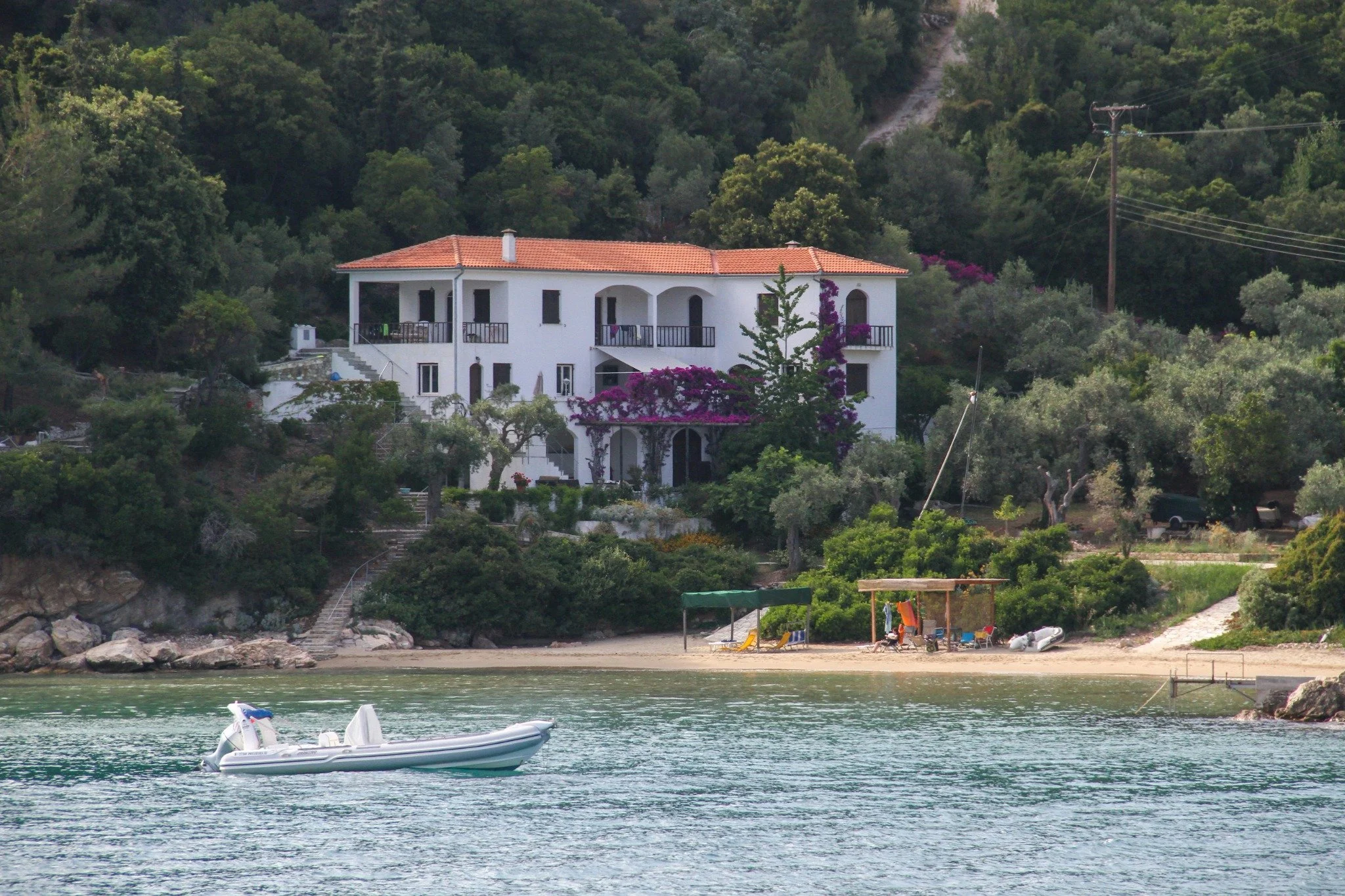
Photo by Daniel Brzdęk on Unsplash.
Your Turn: Would You Delay FIRE for Your Ideal Home?
What do you think? Have you faced a similar dilemma—choosing between financial optimization and a lifestyle dream? Would you delay FI for a chance to live closer to nature or in your ideal home? I’d love to hear your take, please drop your thoughts in the comments below!
If you enjoyed today’s article, here are some next steps:
👉 Calculate your FI timeline with our FI Calculator (free, email unlock)
👉 Model how a property purchase affects your FI timeline and survival: our ProjectionLab walkthrough
👉 Explore a detailed post comparing the math on renting vs buying
👉 Related: how to decide whether to overpay your mortgage or invest instead
👉 Subscribeto access free tools and our monthly newsletter with new articles and insights
🌿 Thanks for reading The Good Life Journey. I share weekly insights on personal finance, financial independence (FIRE), and long-term investing — with work, health, and philosophy explored through the FI lens.
Disclaimer: I am not a financial adviser, and the content in this website is for informational and educational purposes only. Please consult a qualified financial adviser for personalized advice tailored to your situation.
Check out other recent articles

















About the author:
Written by David, a former academic scientist with a PhD and over a decade of experience in data analysis, modeling, and market-based financial systems, including work related to carbon markets. I apply a research-driven, evidence-based approach to personal finance and FIRE, focusing on long-term investing, retirement planning, and financial decision-making under uncertainty.
This site documents my own journey toward financial independence, with related topics like work, health, and philosophy explored through a financial independence lens, as they influence saving, investing, and retirement planning decisions.
Frequently Asked Questions (FAQs)
-
Not always. The impact depends on price, location, financing costs, and how much investing is reduced. In high-cost areas, delays of several years are common.
-
In the example explored here, the farmhouse would postpone FI by about 4–5 years, mainly due to higher expenses and lower investment compounding.
-
Yes. More space, nature, family time, or lower stress may outweigh reaching FI earlier, depending on personal values.
-
Testing through garden allotments, extended stays, mini-retirements, or waiting until partial or full FI can reduce risk before committing to a permanent move.
-
Housing choices don’t just change net worth—they reshape time, flexibility, and daily life for decades.
Join readers from more than 100 countries, subscribe below!
Didn't Find What You Were After? Try Searching Here For Other Topics Or Articles: